HAX Framework
hax.design ↗An open standard and SDK for human-agent collaboration. Design rules, UI patterns, and tooling for building clear, controllable multi-agent applications.
Simple Automation
Users interact directly with an AI chatbot to get answers or generate content. The human drives every step.
Autonomous agents working with humans
Users collaborate with independent agents that act on complex, multi-step workflows, calling APIs, websites, and other AIs to reach a goal.
The Problem
At Cisco, we were building AI-powered features across multiple products, and every team was solving the same problems from scratch. How should an agent explain what it’s doing? How much control should the user have? What happens when something goes wrong? There were no shared answers. Agent behavior was inconsistent, transparency was limited, tooling was fragmented, and none of it scaled as agent ecosystems grew.
We kept seeing the same pattern: teams would ship an agent-driven feature, users wouldn’t trust it, and the team would bolt on explanations and controls after the fact. It was clear we needed a shared foundation before the problem got worse.
What HAX Is
HAX is a unified framework for designing, building, and governing meaningful human-agent collaboration. It connects design principles to the tools, components, and checks that developers use every day. The framework has three parts:
Behavioral Principles define core interaction rules that apply across domains. Humans maintain control, agent reasoning stays visible, and accountability remains clear.
An SDK links backend agent logic to frontend components. Teams use consistent patterns for explainability, control, and handoff instead of building workflows from scratch.
A Component Library provides reusable UI and interaction elements that embed these principles: notifications, handoff flows, task panels, escalation pathways.
Before building, we ran a research effort grounded in extensive interviews with industry leaders and organizations undergoing agentic implementations. The findings are summarized in our paper Navigating the Multi-Agent Future, which shaped the principles below.
Five Design Principles
The framework is built on five research-based rules that define trustworthy agent behavior:
1. Control
Humans guide interactions within well-defined agent boundaries.
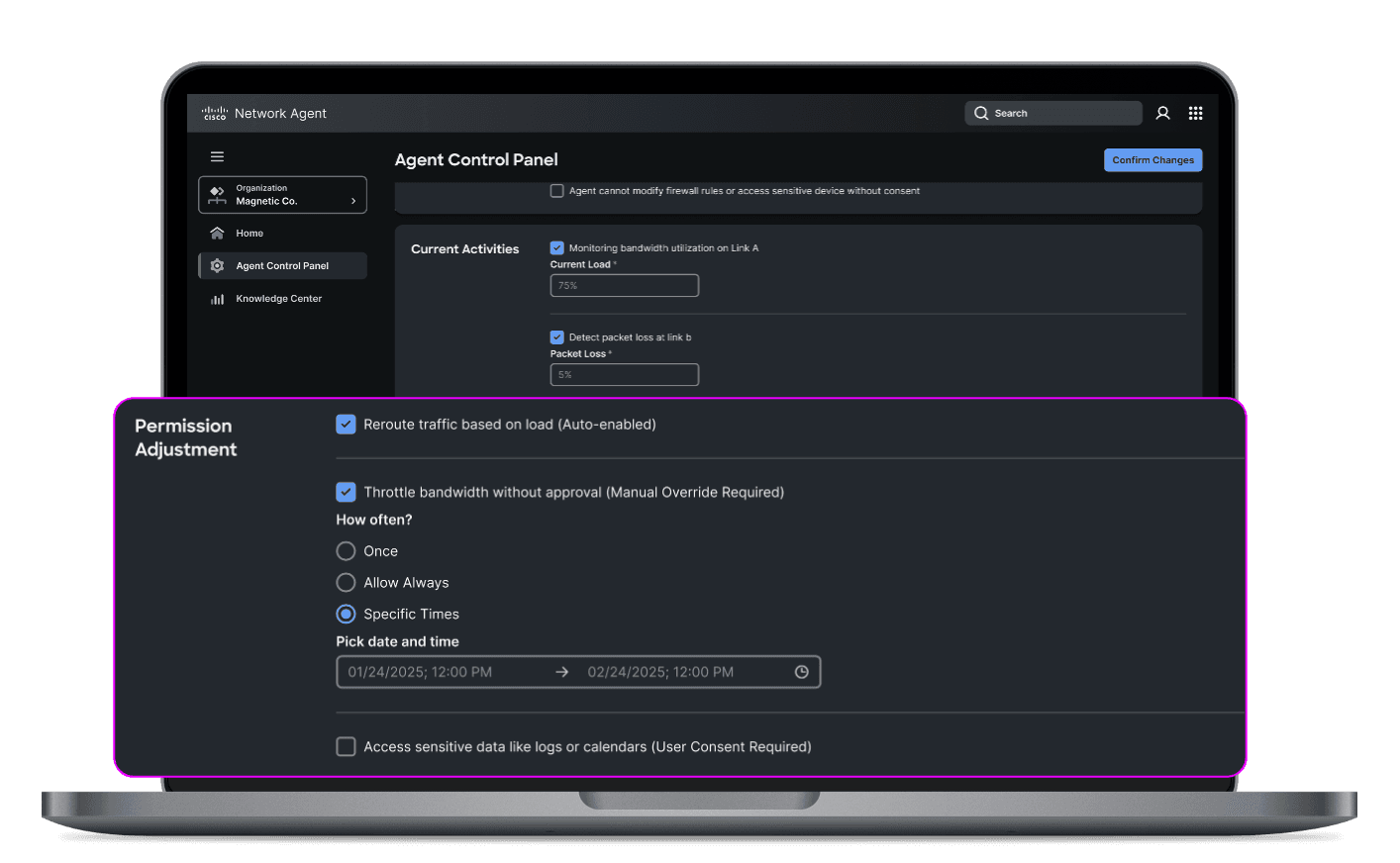
2. Clarity
Agents communicate their actions transparently through progressive disclosure.
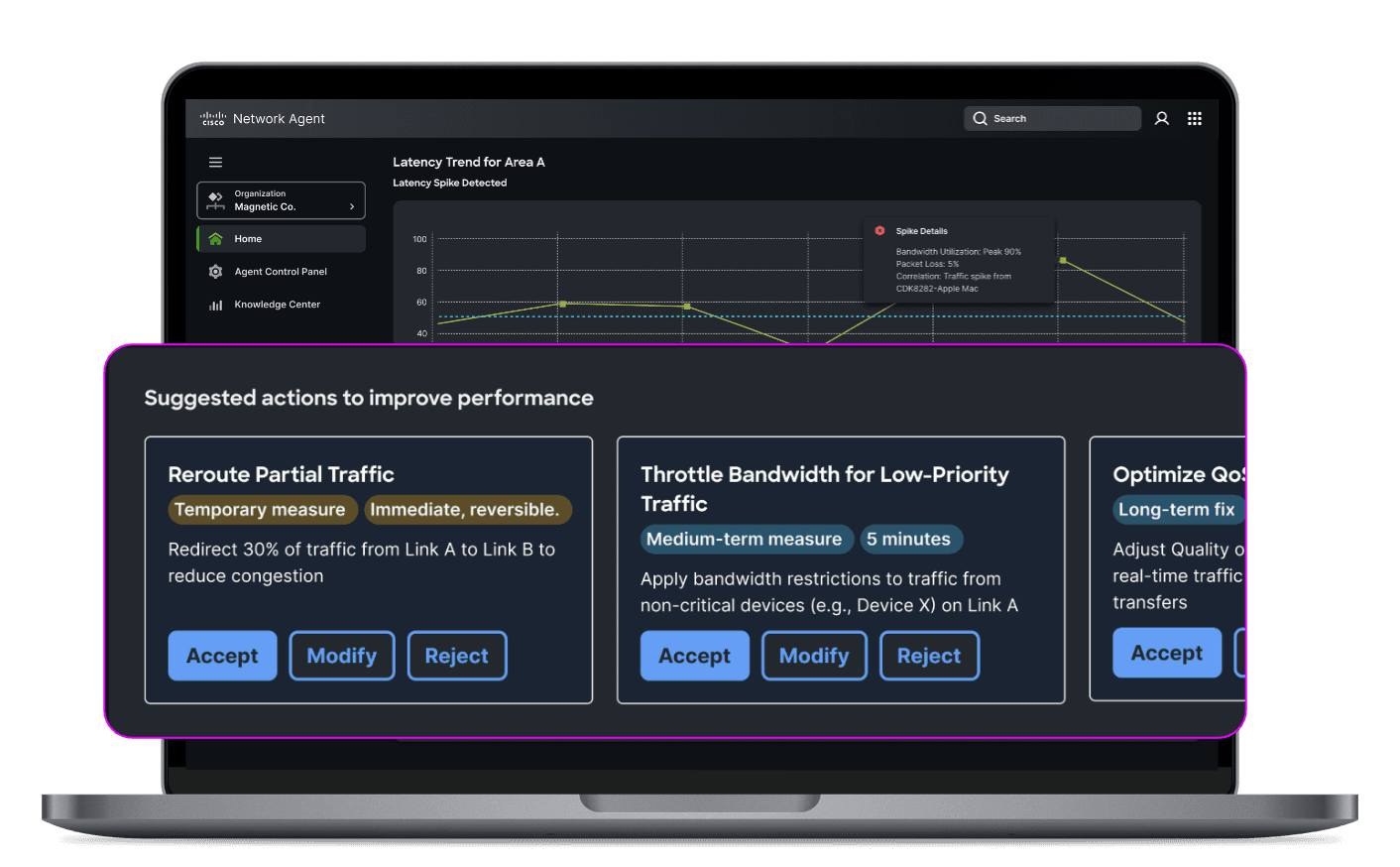
3. Collaboration
Active agent contribution that is responsive to user feedback.
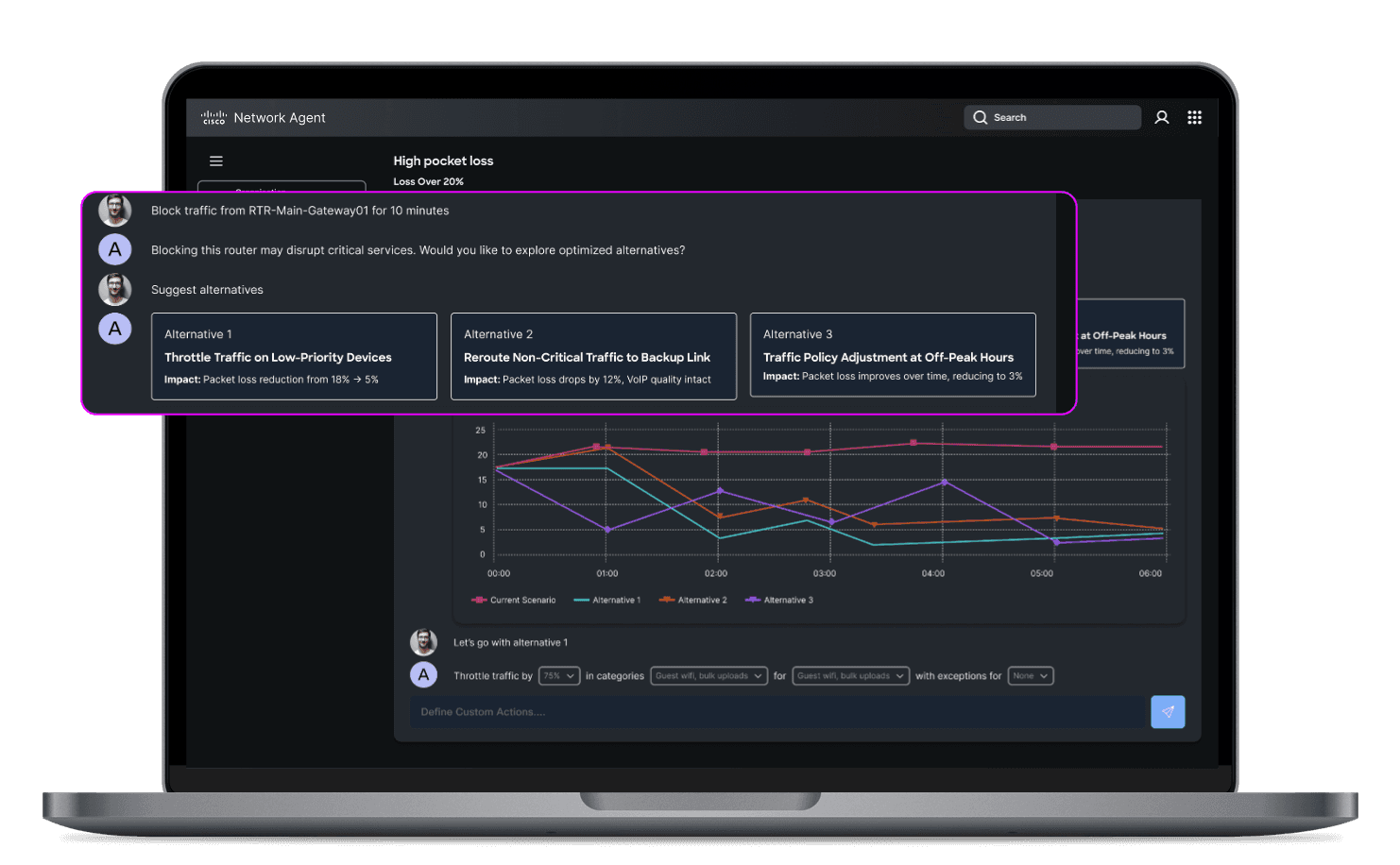
4. Recovery
Systems detect, explain, and help fix errors.
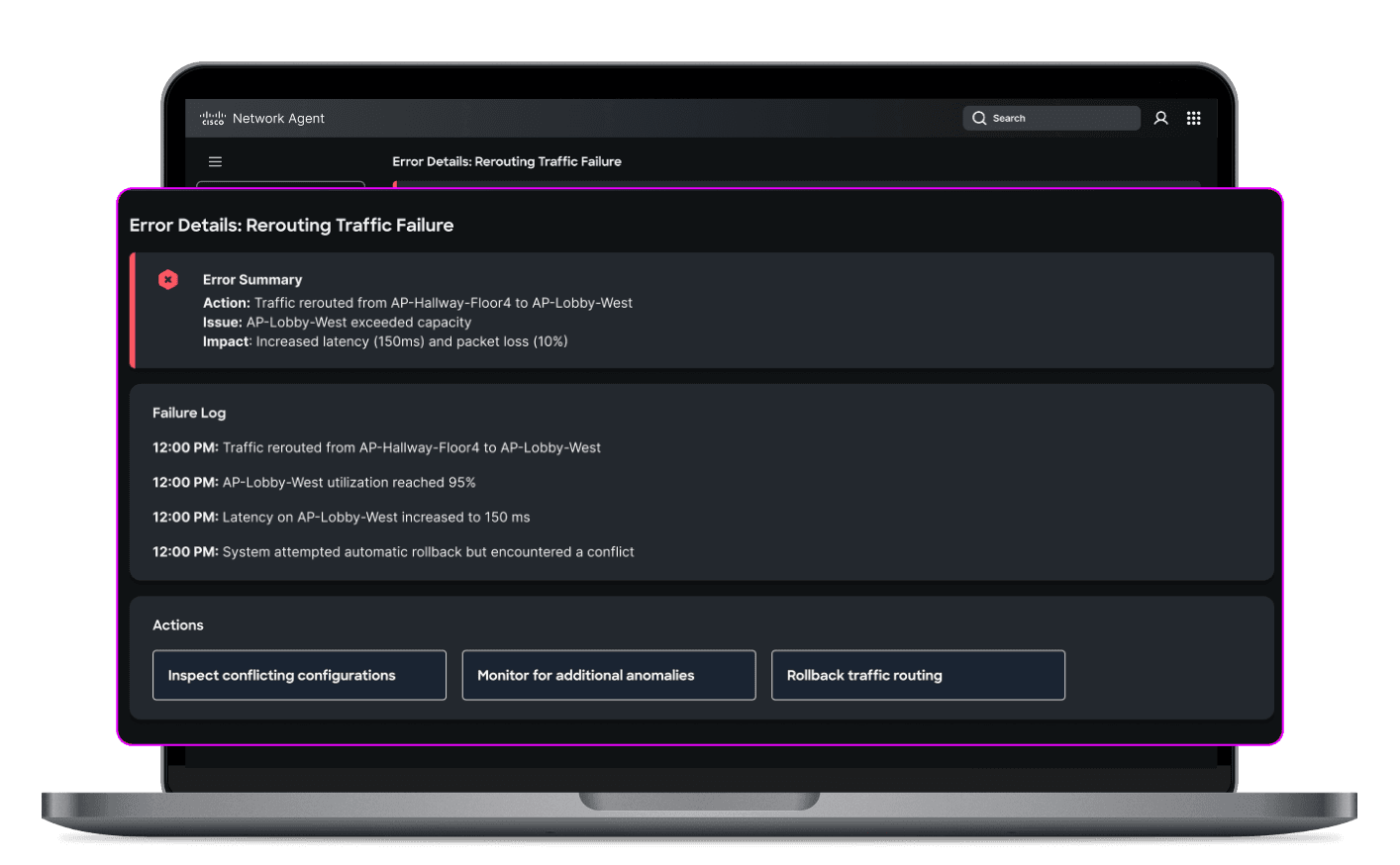
5. Traceability
Visible reasoning that supports transparency and accountability.
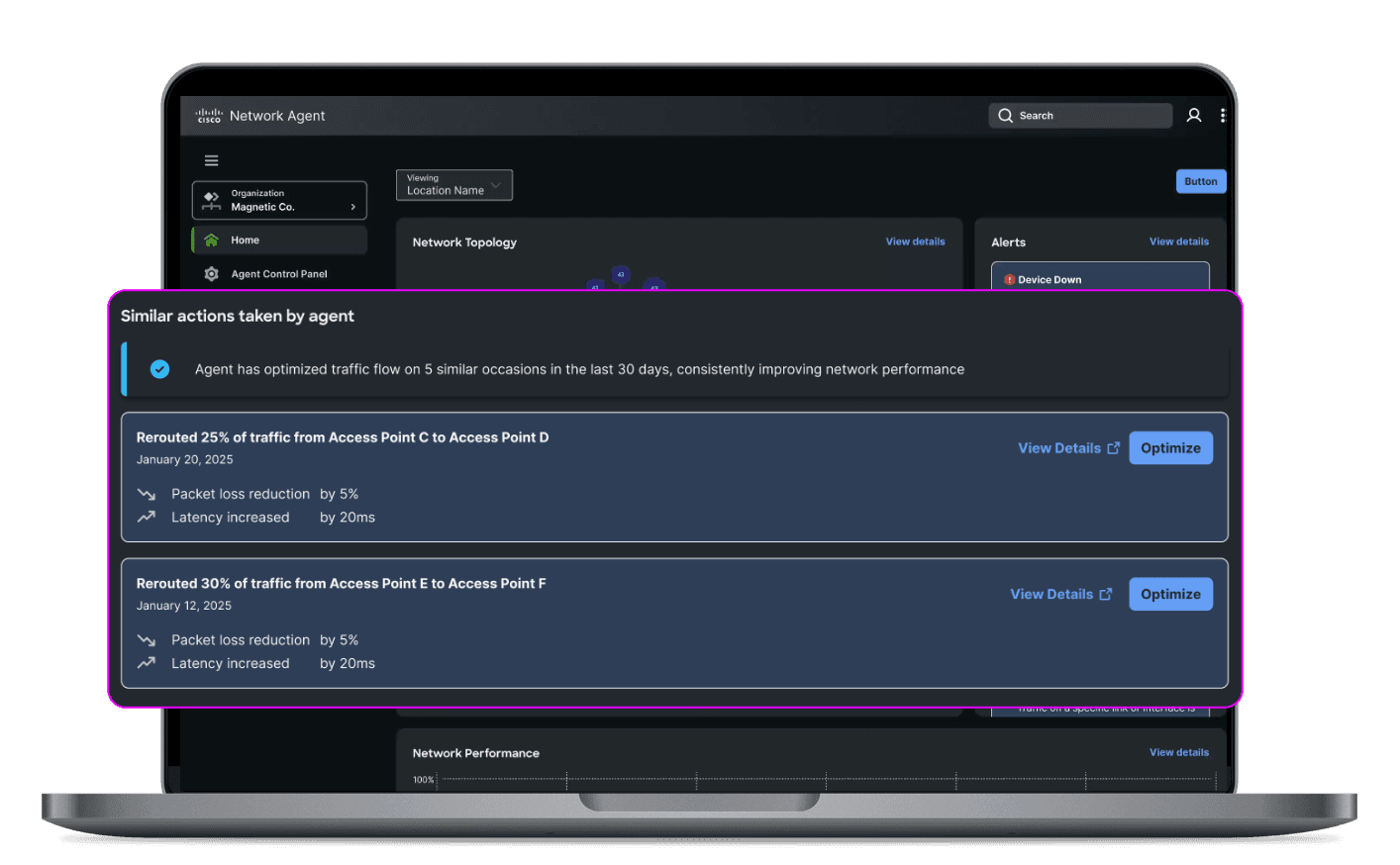
What We Built
SDK and Component Library
The SDK is React-based and standardizes how explainability and control are represented in the UI. The component library includes timelines, dashboards, visualizers, and form builders, all modular and designed to work across different product surfaces.
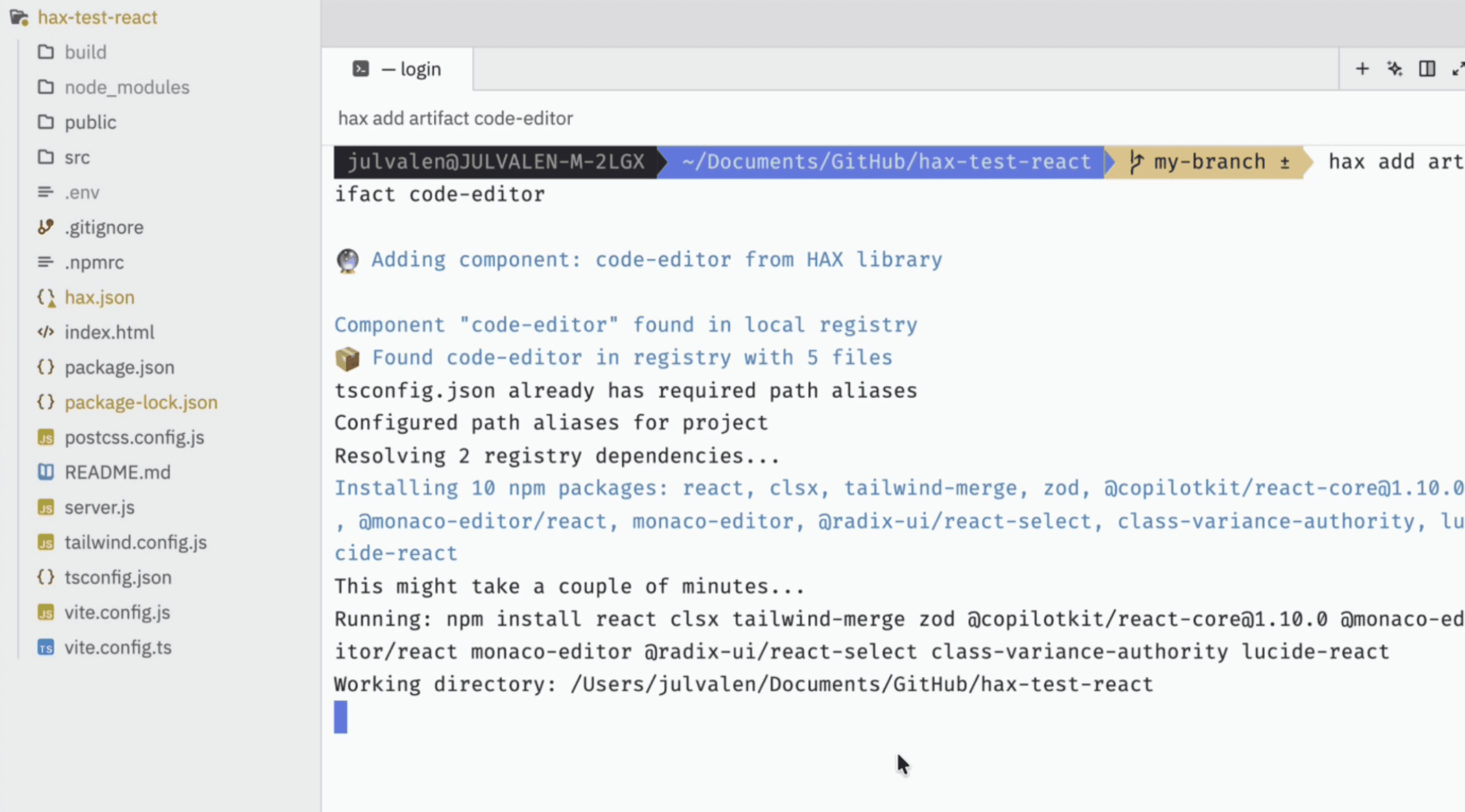
Portable Explainability
One of the key innovations is portable explainability: agent reasoning, evidence, and confidence travel with the agent. The same information appears whether you're looking at a dashboard, a notification, or a detailed task view.

Where It’s Going
HAX shipped as an open standard and is being considered for adoption across multiple product teams at Cisco. It gave teams a shared language for designing AI-driven interactions and a practical toolkit for implementing them consistently.
The next phase is about how explainability itself can travel across systems, maintaining trust and transparency through portable structures for reasoning, evidence, and confidence.